


Tribes in the lower Omo Valley

It is
estimated that the
Omo Valley is home to over 200,000 tribal people. Among the
ancient African tribes that live in the southern part of Ethiopia, there is a
wide variety of wildlife as well.
(to be continued) / photos: Janin

Ancient Tribes Along The Omo River 2


Ethiopia is a museum of peoples, a rich and varied mix
of ethnicities with 83 different languages and over 200 dialects. But even in
this crowded cultural mosaic, the tribal diversity of the Omo River Basin is
unparalleled: the Hamar, the Konso, the Borana, the Bumi, the Surma, the Anuak,
the Nuer and the Bodi all belong to the world of ‘primitive’ Africa. Some like
the Morsi – the subject of recent documentaries – have grown rapacious after
contact with outsiders. Others like the Karo, who number only about 1,000
souls, may be heading for extinction. A few have never seen a white face. Most
are cattle people or pastoralists who maintain huge herds of pale, long-horned
cows, too precious to be butchered for food. They lack almost any form of
material culture beyond personal adornment, yet they inhabit a richly symbolic
universe.
Stanley Stewart (to
be continued)
photo: Janin
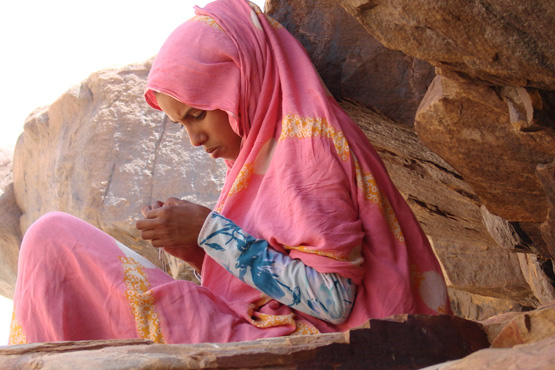
Meet The Ancient Tribes Along The Omo River

Until recent years, the tribes of the Omo River basin
in the remote south-west of Ethiopia had not even heard of the nation of which
they were a part. For all they knew, Addis Ababa might have been the dark side
of the moon.
 Theirs is a traditional world. The men count their
wealth in cattle, their wives in goats, and their status by the number of
enemies they have murdered. They paint their bodies for war and celebration,
and drink cow’s blood to revive their spirits. The women, among the most
beautiful in Africa, scar their torsos in elaborate patterns for erotic effect,
and in preparation for marriage, insert plates the size of frisbees into their
lower lips.
“This is what
one dreamt about as a child”, a seasoned African traveller told me once. “An
Africa untouched by our own culture.”
Stanley Stewart (to
be continued)
Naročite se na:
Objave (Atom)